
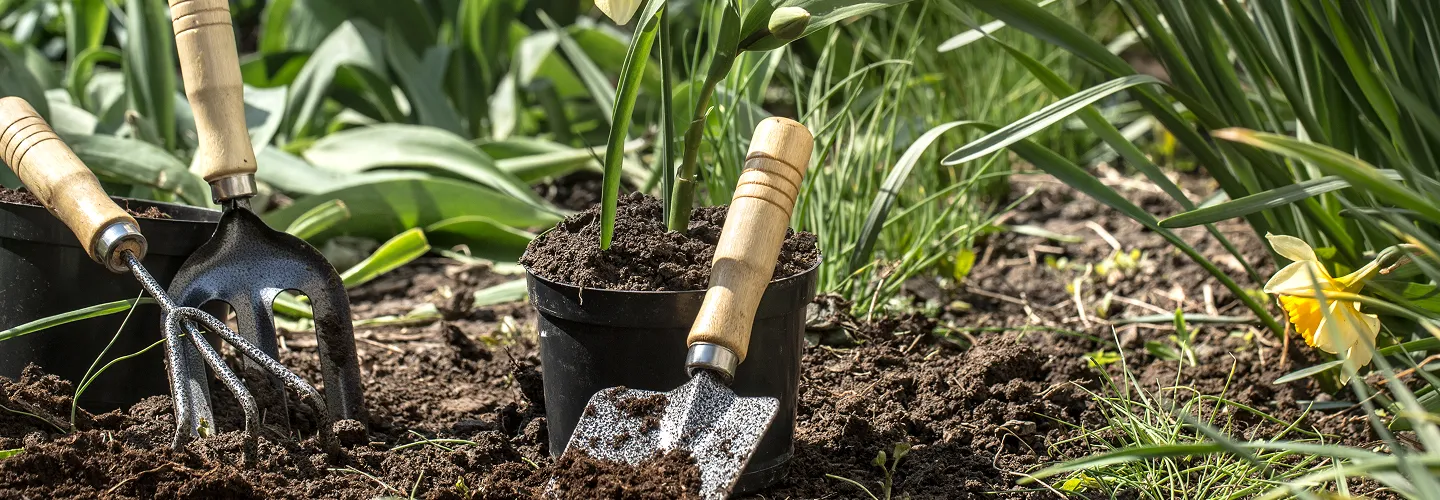
Leisure World Mulching Services
Choose our mulching services for expert care that enriches your soil, conserves moisture, and gives your garden a polished, healthy look all season long.
Get a Free QuoteOur Leisure World Landscaping & Yard Care Services
When to Schedule Mulching in Leisure World, Arizona – Seasonal Guide
In Leisure World, Arizona, timing your mulching service is essential for maintaining healthy, vibrant landscapes throughout the year. The region’s unique climate—characterized by mild winters, hot summers, and sporadic rainfall—means that the best periods for mulching are typically late winter to early spring and again in early fall. Applying mulch before the intense summer heat helps retain soil moisture and protect plant roots, while a fall application can insulate against occasional winter frosts common in neighborhoods near the Coyote Run Golf Course or along Leisure World Boulevard.
Local environmental factors play a significant role in determining the optimal mulching schedule. For example, areas with dense shade from mature trees, such as those near the Recreation Center, may require different timing compared to sun-exposed yards. Soil composition—often sandy or clay-heavy in this part of Maricopa County—also affects how mulch breaks down and benefits your landscape. Additionally, keeping an eye on municipal guidelines and seasonal drought advisories, which can be found on resources like the Sudbury town website, ensures your mulching practices remain both effective and compliant.
Local Factors to Consider for Mulching in Leisure World
- Tree density and shade coverage
- Soil type (sandy, clay, or loamy)
- Seasonal precipitation and drought risk
- Frost dates and temperature fluctuations
- Terrain and drainage patterns
- Municipal restrictions or water use advisories
Benefits of Mulching in Leisure World
Enhanced Soil Moisture Retention
Weed Growth Suppression
Improved Curb Appeal
Temperature Regulation for Plant Roots
Reduced Soil Erosion
Nutrient-Rich Soil Enrichment
Leisure World Mulching Types

Organic Mulch
-
Inorganic Mulch
-
Wood Chip Mulch
-
Pine Bark Mulch
-
Rubber Mulch
-
Compost Mulch
-
Gravel Mulch
Our Mulching Process
Site Evaluation
Soil Preparation
Mulch Selection
Mulch Application
Final Inspection
Why Choose Leisure World Landscape Services
-
Leisure World Homeowners Trust Us
-
Expert Lawn Maintenance
-
Reliable Scheduling
-
Competitive Pricing
-
Professional Team
-
Satisfaction Guarantee
-
Personalized Service
Coordinating Mulching Projects with Mesa Municipal Programs in Leisure World
Leisure World is an unincorporated community situated within the City of Mesa's jurisdictional boundaries in the Phoenix metro low-desert region. Residents and property managers undertaking mulching projects should coordinate with Mesa's municipal departments to ensure proper handling of organic waste, stormwater compliance, and alignment with neighborhood landscape standards. Mesa's Environment and Sustainability division provides guidance on responsible resource management, including organic material recycling and green waste diversion that directly applies to mulching operations. When mulch is delivered in bulk or old mulch is removed and hauled off, residents should verify current green waste disposal procedures through the city rather than depositing landscape debris near curb inlets or drainage channels.
- Confirm bulk green waste pickup or drop-off procedures before beginning large-scale mulch replacement
- Ensure mulch delivery vehicles do not obstruct public rights-of-way or block neighborhood access
- Coordinate with the community association regarding any landscape modification guidelines specific to Leisure World
Mesa Environment & Sustainability
Official Website: Mesa Environment & Sustainability
Leisure World Arizona Community Association
Official Website: Leisure World Arizona Clubs & Activities
How Leisure World's Low-Desert Heat and Alkaline Soils Affect Mulching
Leisure World sits within USDA Hardiness Zone 9b–10a, where summer surface temperatures on exposed soil can exceed 150°F. Mulching in this environment serves a critical role in moderating root-zone temperatures, reducing evaporative moisture loss, and protecting drip irrigation emitters from UV degradation. The predominant soils in the east Mesa area tend toward alkaline sandy loam with caliche layers at variable depths, which limits natural water infiltration and makes surface moisture retention through mulch even more important. Residents should also account for the following local conditions when selecting and applying mulch:
- Reflected heat: Block walls, concrete patios, and asphalt driveways radiate heat that accelerates organic mulch decomposition, requiring more frequent replenishment in south- and west-facing beds
- Monsoon runoff: Intense summer storms can displace lightweight mulch from beds into drainage channels and retention basins; heavier materials or proper edging help prevent washout
- Salt accumulation: Irrigation water in the Mesa service area carries dissolved minerals that concentrate in the soil surface over time; mulch acts as a buffer but should be periodically raked to prevent salt crusting at the mulch-soil interface
- Wind exposure: Leisure World's open streetscapes and low-profile landscaping leave mulched beds vulnerable to wind displacement during pre-monsoon dust events
The USDA Plant Hardiness Zone Map and the USDA Web Soil Survey provide site-specific data that can help residents and contractors select appropriate mulch types for their soil and exposure conditions.
Navigating Leisure World's Stormwater and Environmental Compliance for Mulching
Mulching activities in Leisure World fall under Mesa's broader stormwater management obligations as a Phase II Municipal Separate Storm Sewer System (MS4) community. Under the Clean Water Act, municipalities must prevent pollutants—including displaced landscape materials—from entering storm drains and downstream waterways. Organic mulch that washes into curb inlets, retention basins, or flood-control channels during monsoon events can contribute to nutrient loading and obstruct drainage infrastructure. The Arizona DEQ Stormwater program provides additional guidance on best management practices for landscape-related runoff prevention.
- Mulch should not be applied within direct flow paths leading to storm drains or retention basin inlets
- Excess mulch piles stored on-site during installation should be covered or contained to prevent wind and water displacement
- Dyed or chemically treated mulch products should be evaluated for runoff safety before use near drainage infrastructure
- The Arizona Department of Water Resources landscaping guidance encourages mulch use as a water conservation strategy, but proper placement is essential to avoid unintended stormwater impacts
Mesa Engineering Department
Official Website: Mesa Engineering Department
Timing and Methods for Mulching Around Leisure World's Desert Landscape Conditions
Professional mulching standards in the low-desert environment require attention to material selection, application depth, and seasonal timing. In Leisure World, where many properties feature desert-adapted plantings alongside irrigated ornamental beds, mulch type should be matched to the planting context. Decomposed granite and rock mulch suit xeriscape beds with cacti and native shrubs, while organic bark or wood chip mulch is more appropriate around citrus trees, flowering shrubs, and annual flower beds where moisture retention and soil temperature moderation are priorities.
- Application depth: Organic mulch is generally applied at approximately two to four inches for most ornamental beds; deeper applications can impede water penetration and encourage root rot in arid soils
- Timing: Late winter through early spring is the preferred window for mulch installation, allowing beds to be prepared before the extreme heat of May through September accelerates decomposition
- Replenishment cycle: Organic mulch in low-desert conditions typically requires replenishment every six to twelve months due to accelerated breakdown from heat and UV exposure
- Drip irrigation coordination: Mulch should be placed around but not directly over drip emitters to allow inspection, adjustment, and prevent clogging
- Weed suppression: A permeable landscape fabric beneath organic mulch can extend weed control, though fabric should be checked annually for degradation in the intense Arizona sun
Qualified tree care professionals familiar with desert landscape standards can assist with species-appropriate mulch selection. The Arizona Tree Care Professionals directory provides a resource for locating credentialed practitioners.
What Neighborhoods Do We Serve Throughout Leisure World, AZ?
- Leisure World Phase 1: One of the original sections of the community, featuring mature citrus and shade trees that benefit from consistent organic mulch replenishment around established root zones
- Leisure World Phase 2: Properties here often include irrigated ornamental beds adjacent to block walls where reflected heat accelerates mulch decomposition and requires more frequent maintenance
- Leisure World Phase 3: Newer landscaping in portions of this phase may include xeriscape conversions where rock mulch and decomposed granite are the primary ground cover materials
- Leisure World Phase 4: Lots in this area tend to feature compact yards with close proximity to shared walkways, requiring careful mulch containment to prevent displacement onto common areas
- Velda Rose Estates (adjacent): Neighboring properties near Leisure World share similar soil and irrigation conditions, with alkaline sandy loam soils that benefit from organic mulch as a moisture-retention strategy