
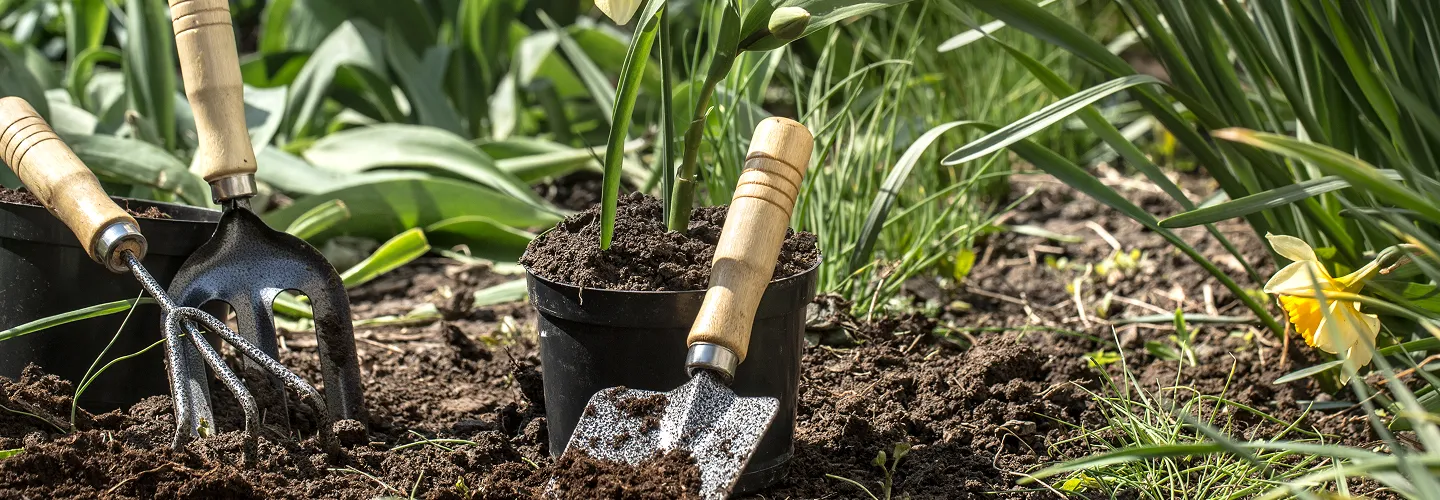
Leisure World Flower Bed Maintenance Services
Choose our Flower Bed Maintenance for expert care that keeps your garden healthy, colorful, and thriving all season long—so you can enjoy stunning flower beds without the hassle.
Get a Free QuoteOur Leisure World Landscaping & Yard Care Services
When to Schedule Flower Bed Maintenance in Leisure World, Arizona – Seasonal Guide
In Leisure World, Arizona, the timing of flower bed maintenance is crucial for vibrant, healthy landscapes. The region’s unique climate—marked by mild winters, hot summers, and variable rainfall—means that optimal maintenance windows differ from other parts of the country. For most neighborhoods, including those near the Leisure World Golf Course and along Power Road, early spring (late February to March) is ideal for prepping beds, while late fall (October to early November) is best for mulching and winterizing.
Local environmental factors play a significant role in determining the best schedule. The area’s sandy, alkaline soils require regular amendment, and the risk of late spring frosts—though rare—can impact planting times. Drought conditions are common, so irrigation planning is essential, especially in shaded areas beneath mature trees or near the lakes. For more information on local climate and municipal guidelines, visit the official community resource.
Local Factors to Consider for Flower Bed Maintenance in Leisure World
- Tree density and shade coverage, especially in neighborhoods bordering the golf course
- Soil type and drainage, with sandy soils prevalent throughout the community
- Seasonal precipitation patterns and drought risk
- Frost dates, typically late November to early February
- Municipal restrictions on watering and landscaping
- Proximity to landmarks such as the Recreation Center or community lakes
Benefits of Flower Bed Maintenance in Leisure World
Enhanced Curb Appeal
Weed and Pest Prevention
Healthier Plant Growth
Seasonal Color Variety
Professional Landscaping Expertise
Increased Property Value
Leisure World Flower Bed Maintenance Types

Seasonal Flower Planting
-
Weed Control Services
-
Mulching and Soil Conditioning
-
Pruning and Deadheading
-
Fertilization Programs
-
Pest and Disease Management
-
Irrigation System Monitoring
Our Flower Bed Maintenance Process
Site Evaluation
Weed Removal
Soil Preparation
Plant Care
Mulching
Why Choose Leisure World Landscape Services
-
Leisure World Homeowners Trust Us
-
Expert Lawn Maintenance
-
Reliable Scheduling
-
Competitive Pricing
-
Professional Team
-
Satisfaction Guarantee
-
Personalized Service
Coordinating Flower Bed Maintenance with Mesa Municipal Programs in Leisure World
Leisure World is an age-restricted community located within the City of Mesa, and residents undertaking flower bed maintenance should be aware of municipal coordination requirements that apply across the jurisdiction. Green waste generated from bed cleanups—including spent annuals, pruned perennials, and pulled weeds—must be handled in accordance with Mesa's residential collection guidelines. Residents should verify current bulk pickup schedules and accepted organic material types through the city rather than disposing of bed debris in storm drains or common-area washes. Mesa's environmental programs also promote water-efficient landscaping practices that directly affect how flower beds are irrigated and maintained within Leisure World's planned community setting.
- Separate green waste from inorganic debris such as decorative rock, landscape fabric, or plastic edging before disposal
- Confirm current curbside green waste collection rules through the City of Mesa
- Avoid depositing soil, mulch, or plant material into street gutters or drainage inlets
Mesa Environment & Sustainability
Official Website: Mesa Environment & Sustainability
The Leisure World Arizona Clubs & Activities page may also provide information about community garden groups or landscape committees that coordinate shared bed maintenance standards within the community.
How Leisure World's Low-Desert Heat and Alkaline Soils Affect Flower Beds
Leisure World sits in the Phoenix metro low-desert environment, classified within USDA Hardiness Zone 9b to 10a, where summer temperatures routinely exceed 110°F and winter lows rarely drop below the mid-30s. These conditions impose specific demands on flower bed maintenance that differ substantially from temperate-climate practices.
- Soil alkalinity: Mesa-area soils are predominantly alkaline, often with pH levels above 8.0, which can cause iron chlorosis in acid-loving flowering plants and necessitate soil amendments or chelated iron applications
- Caliche layers: Subsurface caliche—a calcium carbonate hardpan—can impede drainage and root penetration, requiring assessment before deep bed preparation or replanting
- Reflected heat: Flower beds adjacent to block walls, concrete walkways, and south-facing structures in Leisure World experience amplified radiant heat that accelerates moisture loss and stresses shallow-rooted annuals
- Irrigation dependence: With annual rainfall averaging roughly seven to eight inches, flower beds require year-round drip irrigation; emitter placement and output must be evaluated during every seasonal bed transition
Soil conditions can be further investigated through the USDA Web Soil Survey, which provides parcel-level data for the Mesa area.
Navigating Leisure World's Regulatory Requirements for Flower Bed Maintenance
Flower bed maintenance in Leisure World falls under both City of Mesa municipal codes and the community's internal association guidelines. While routine deadheading, weeding, and seasonal replanting generally do not require city permits, any work that alters grading, modifies drainage flow, or involves hardscape changes adjacent to beds may trigger review through Mesa's development services process. Residents should verify scope-specific requirements before undertaking structural bed modifications.
- Any chemical weed control or pesticide application within flower beds must comply with Arizona Department of Agriculture licensing requirements; commercial applicators must hold valid Arizona certification
- Stormwater regulations under the Arizona DEQ Phase II MS4 program require that fertilizers, soil amendments, and mulch materials not migrate into storm drains or retention basins
- Noxious weed species identified by the Arizona Department of Agriculture must be removed and properly disposed of rather than composted on-site
- Water use for flower bed irrigation should align with conservation guidance from the Arizona Department of Water Resources
Mesa Development Services
Official Website: Mesa Development Services
Mesa Water & Wastewater Utilities
Official Website: Mesa Water & Wastewater Utilities
Timing and Professional Standards for Flower Bed Care in Leisure World
Seasonal timing is critical for effective flower bed maintenance in Leisure World's low-desert climate. Professional standards for this region follow a two-season planting calendar rather than the four-season model used in cooler climates.
- Fall transition (October–November): Remove spent summer plantings, amend beds with sulfur or comite to address alkalinity, check emitter output, and install cool-season annuals such as petunias, snapdragons, or pansies
- Spring transition (March–April): Clear winter annuals before heat onset, refresh mulch to a depth of approximately two to three inches, and install heat-tolerant species such as vinca, lantana, or desert marigold
- Monsoon preparation (June): Secure loose mulch to prevent washout, verify bed grading directs runoff away from foundations, and inspect drip lines for clogged or displaced emitters
- Ongoing maintenance: Deadhead flowering plants regularly to extend bloom cycles, suppress weeds before they set seed, and monitor for salt crust accumulation on soil surfaces indicating irrigation water mineral buildup
Mulch selection matters significantly in this environment. Decomposed granite and rock mulch reduce fire risk and resist wind displacement, while organic mulches such as shredded bark improve soil biology but decompose rapidly in extreme heat and may require replenishment every few months. Irrigation audits should accompany every seasonal bed change to confirm that emitter spacing matches the root zones of newly installed plants.
What Neighborhoods Do We Serve Throughout Leisure World, AZ?
- Leisure World Phase 1: One of the original sections of the community, featuring mature desert landscaping with established flower beds that often require emitter upgrades and soil amendment due to decades of mineral accumulation from irrigation water
- Leisure World Phase 2: Properties in this area frequently feature south-facing courtyard beds with significant reflected heat exposure, demanding heat-tolerant species selection and more frequent mulch replenishment
- Leisure World Phase 3: Lots in this section tend to have slightly larger yard footprints with mixed ornamental and desert-adapted beds that benefit from hydrozoning to separate high-water and low-water plantings
- Leisure World Phase 4: Newer construction relative to earlier phases, with beds often built over compacted subdivision fill that may require soil loosening and organic amendment before seasonal replanting
- Leisure World Greenfield Area: Properties near the community's eastern edges may sit closer to retention basins and drainage corridors, requiring attention to runoff direction and mulch stability during monsoon events